










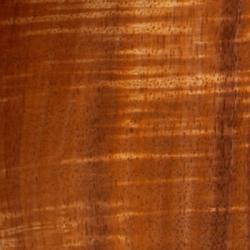
Hawaiian Koa
Few woods carry the allure of Hawaiian koa, with its gorgeous figure and sweet, complex tone.
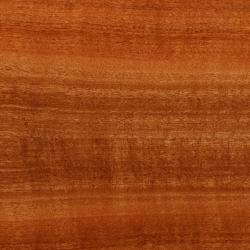
Red Ironbark
This tonewood from our urban wood initiative yields power, fidelity and depth for a supremely balanced, muscular sound.
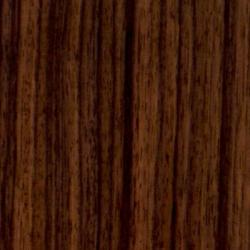
Indian Rosewood
The tonewood superstar. Popular, traditional, and versatile, Bob Taylor puts Indian rosewood among the greatest tonewoods ever.
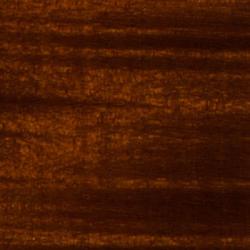
Maple
Revoiced to produce greater warmth, complexity, volume, sustain and responsiveness
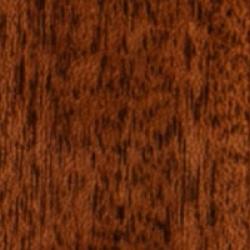
Tropical Mahogany
A midrange powerhouse. Mahogany is prized for balance and articulation, making it one of the best all-around tonewoods there is.
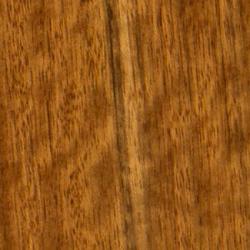
Ovangkol
Although not as well-known as its Indian rosewood cousin, ovangkol shares many of the same properties, making it a versatile, great-sounding tonewood.
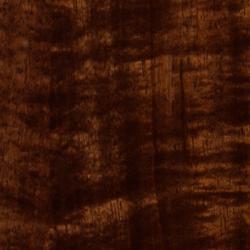
Tasmanian Blackwood
Blackwood produces a strong volume, with a focused midrange and rich top-end shimmer.
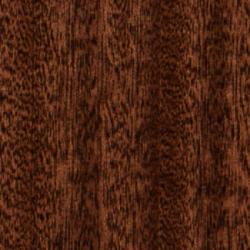
Sapele
One of the best all-around tonewoods there is, sapele will deliver for any playing style.

Shamel Ash
Sourced from city trees in need of removal, Shamel ash produces midrange power and balance comparable to Honduran mahogany.
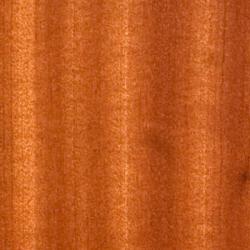
Layered Sapele
Layered wood construction is used to offer attractive, durable and affordable models.
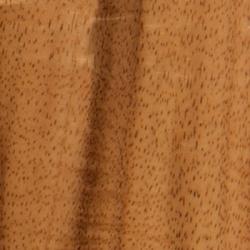
Layered Koa
Beautifully figured and durable, layered koa provides attractive visuals and tone at an accessible price.
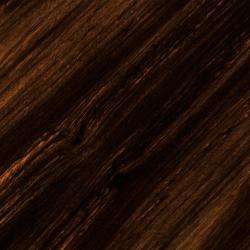
Walnut
Walnut’s crisp highs are balanced by a deep, woody low end that emerges as the guitar is played in.
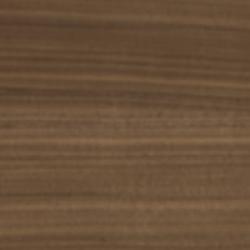
Layered Walnut
Rich brown hues lend a pleasing aesthetic warmth to the guitars that showcase it.
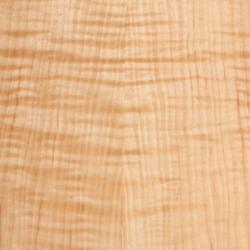
Layered Maple
Maple veneer is part of the resilient layered construction.
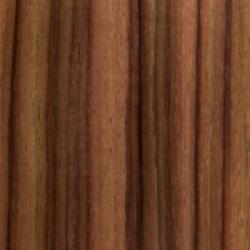
Layered Rosewood
A rosewood veneer and layered construction present a beautiful aesthetic in a durable, affordable package.
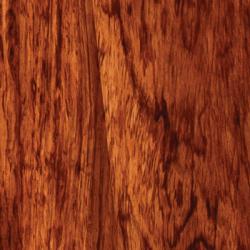
Honduran Rosewood
Extremely dense compared to other rosewood species, Honduran rosewood sings with a uniquely smooth voice that makes it worthy of our finest guitars.

Sound
Back and side woods add unique flavors to a guitar’s tone. Some add warmth and low-end richness; others bring midrange power or treble-range clarity.

Look
Body woods help a guitar look great, too. Some woods sport chocolatey brown hues, while others feature elaborate grain patterns and striking blonde coloration.

How Different Body Woods Shape a Guitar’s Sound
Beyond rosewood and mahogany, a wide array of other hardwoods are used for the back and sides of a guitar, including maple, Hawaiian koa, sapele and more. Explore the unique characteristics of each and the ways in which they flavor a guitar’s overall voice.

Solid Woods vs. Layered Woods
One distinction between the woods we use for the back and sides is whether the wood components are solid or layered. Solid woods produce the most complex tone and tend to contribute slightly more distinctive sonic flavoring based on the species used. Layered woods — a middle core of wood with a veneer on either side — allow us to use our resources efficiently and showcase beautiful outer veneers to elevate a guitar’s aesthetic.
Solid Back and Side Woods
Solid tonewoods produce the most sophisticated, nuanced sound and improve with age.

Indian Rosewood
Renowned for its deep low end, clear, strong treble range and rich overtone character, Indian rosewood serves up lush, high-fidelity acoustic sparkle along with beautiful, chocolate-brown hues.

Hawaiian Koa
With its gorgeous visual colors and striking grain, koa is beloved as much for its looks as for its vibrant, midrange-forward sound. It’s also famous for growing sweeter and more complex as the wood ages.

Maple
This highly player-reflective wood channels each player’s unique touch. Sometimes thought of as a “bright” tonewood with an emphasis on the treble range, our maple is voiced for greater low-end warmth and power.

Honduran Rosewood
Extremely dense compared to other rosewood species, Honduran rosewood sings with a uniquely smooth voice that makes it worthy of our finest guitars.

Mahogany
Mahogany is known for its meaty midrange character, featuring a strong fundamental focus often described as “punchy,” “woody,” or “dry,” because it doesn’t produce a lot of ringing overtones. Mahogany’s earthy voice has been featured on many roots music recordings over the years.

Sapele
Sapele’s tonal output is consistent and balanced across the tonal spectrum, making it compatible with a diverse range of playing styles. It’s comparable to mahogany but its higher density tends to produce a slightly brighter sound with more top-end shimmer.

Walnut
Like koa, walnut’s density and stiffness yield bright treble notes, but with a more present midrange that splits the difference between rosewood and mahogany. The bass tones initially produce a woody character that will grow richer with time and extended play.
Layered Back and Side Woods
Our 3-ply layered-wood construction, used on our 200 Series and below, is strong and resilient. It also allows us to use attractive tonewood veneers that elevate the aesthetic appeal of guitars across our line.

Layered Rosewood
An Indian rosewood veneer and layered construction present a beautiful aesthetic in a durable, affordable package.

Layered Koa
Visually inspiring figured koa gives these layered koa guitars a rich, ultra-premium look, supported by signature Taylor playability and rich tone.

Layered Sapele
Layered wood construction is used to offer attractive, durable and affordable models.

Walnut
Featured on Academy and 100 Series models, layered walnut’s milk-chocolate hues and beautiful grain exude aesthetic warmth.

Top Woods
Learn more about the role the top plays as the guitar’s soundboard, along with the commonly used woods for guitar tops.
Explore All Acoustic Features


Top Woods
The type of wood used for a guitar’s soundboard has a major impact on its tonal properties.

Series
Each acoustic series boasts a unique package of visual details that enhance the aesthetic appeal.

Electronics
Our inspired proprietary pickups faithfully reproduce the natural nuances of a Taylor guitar’s voice.

Specialty
Guitars with a unique musical personality, including 12-string, 12-fret, nylon, baritone and travel.

Finishes
Taylor’s eco-friendly, UV-curable finishes protect your guitar and keep it looking and sounding great.

Bracing
Bracing patterns, such as our new V-Class design, bring out each guitar’s unique voice.

Necks
Our patented neck design ensures superb intonation, playability, and lasting stability.

Cutaways
Our elegant cutaways add to a guitar’s shapeliness and broaden your playing range.

Armrests
An armrest softens the edge of a guitar body to create a more comfortable playing experience.