
















Western Red Cedar
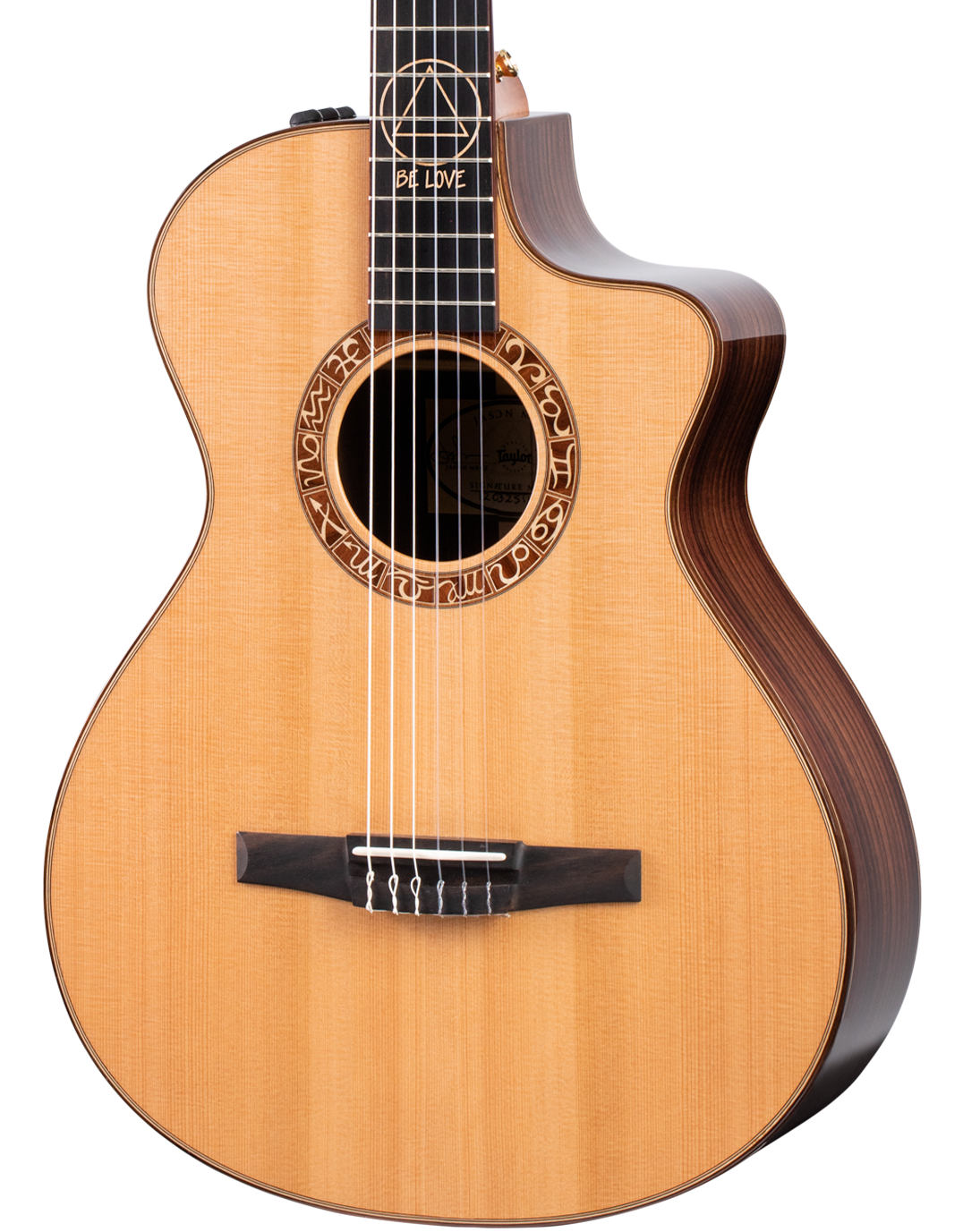
Overview: Cedar is less dense than spruce, and that softness typically translates into a sense of sonic warmth. If Sitka has a full dynamic range, cedar makes quieter tones louder, but it also imposes more of a ceiling on high volume levels driven by an aggressive attack. If one tries to drive a cedar top hard, at a certain point it will reach a volume limit. Typically, players with a lighter touch sound wonderful on a cedar-top guitar, fingerstyle players especially — that lighter touch will be amplified a little more, and one's attack never reaches the ceiling. Flatpickers are likely to hit the ceiling fast, and might be frustrated by an inability to get the tonal output to match their attack.
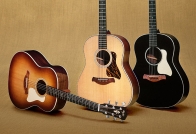
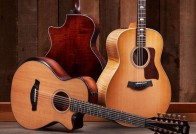
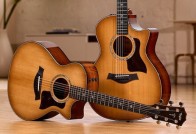
Cedar's color can range from lighter to darker.
Origin: Pacific NW/USA
Goes Well With: Fingerstylists, players with a lighter touch, mahogany and rosewood GA, GS and GC bodies.
Wester Red Cedar Popular Models
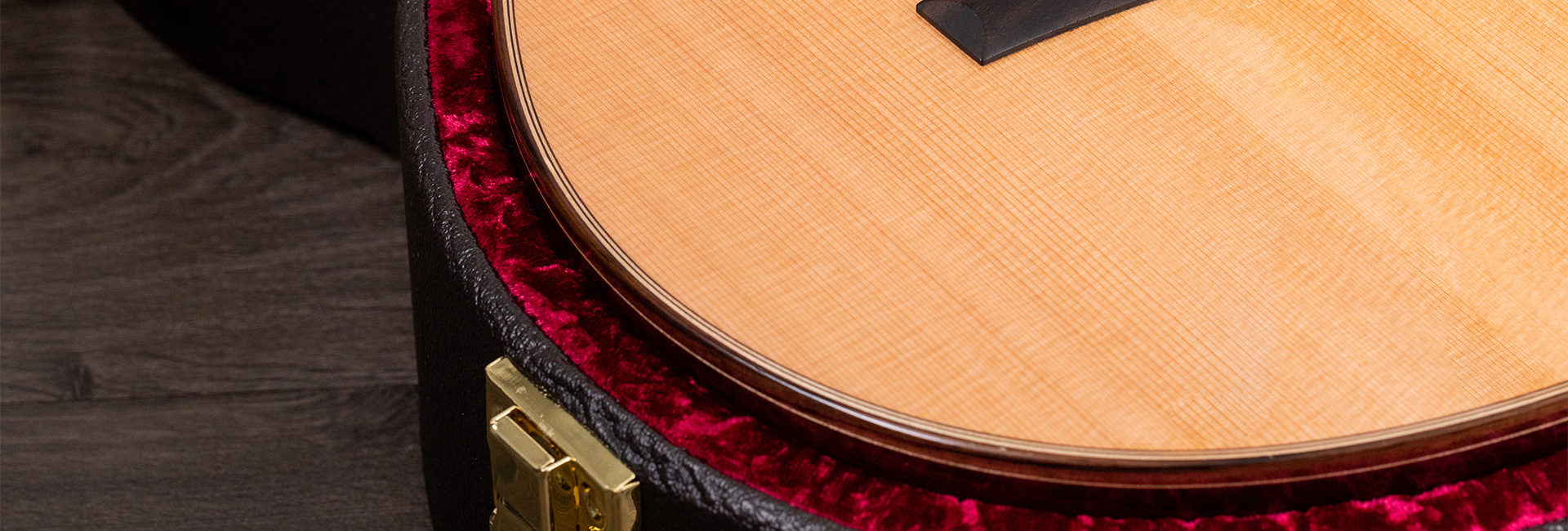

image JMSM
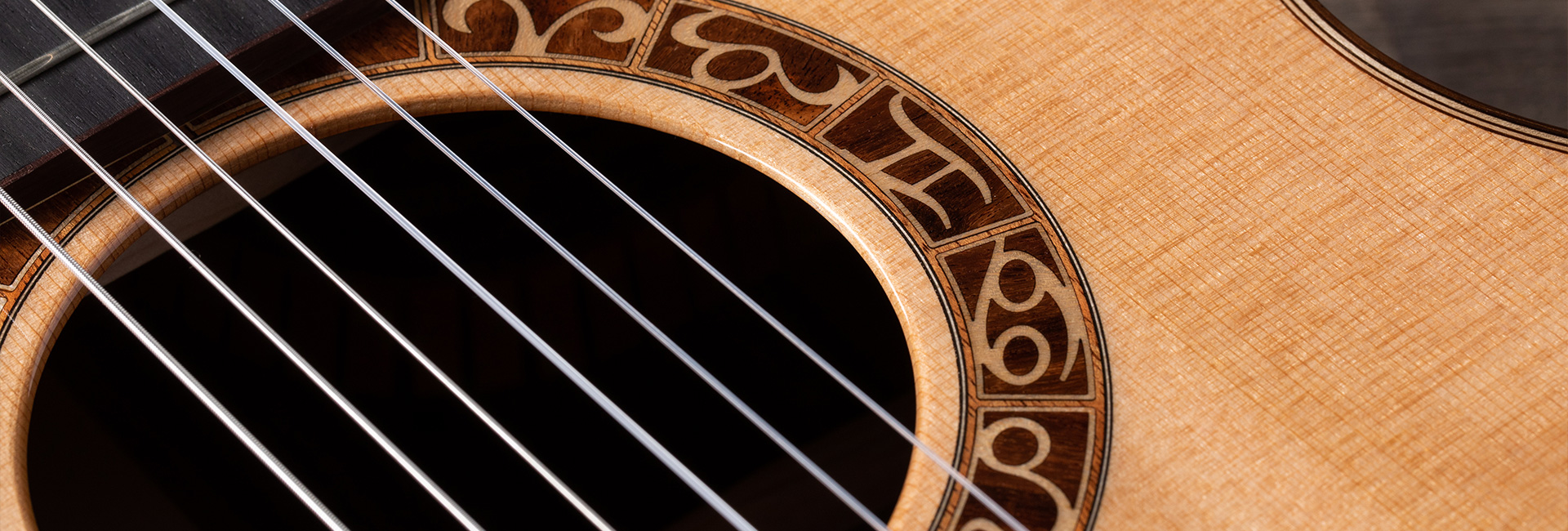

image 2
Hard Woods vs. Soft Woods
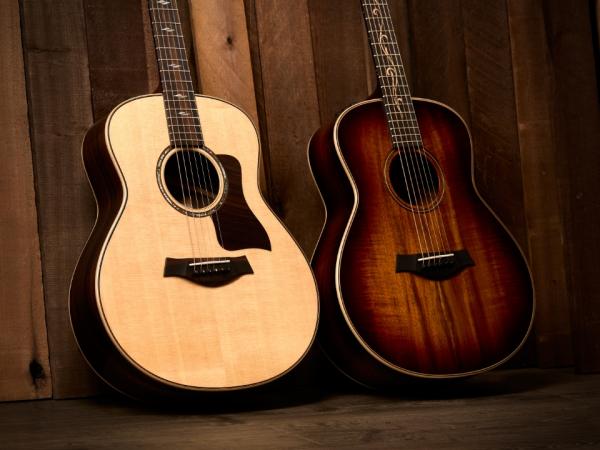
Guitar top woods fall into two general categories: hardwoods and softwoods. So what are softwoods and hardwoods, and what’s the difference between a softwood top and a hardwood top?
Top Woods
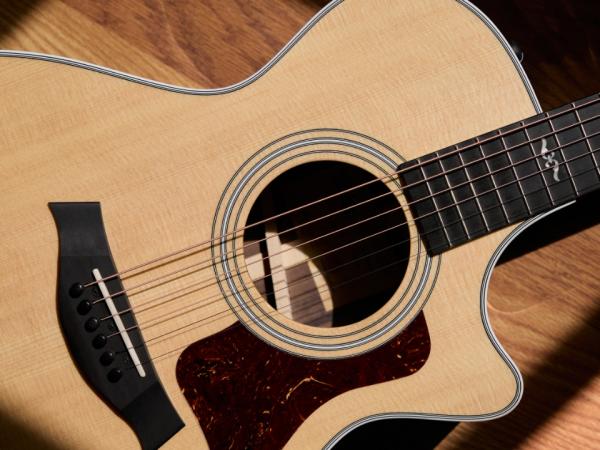
The unique acoustic properties of top woods help color a body shape’s fundamental sound. The key is to find the wood that matches up best with your playing style, like the warmth of a cedar top for fingerpicking and the feeling of responsiveness in your hands.
Explore All Acoustic Features
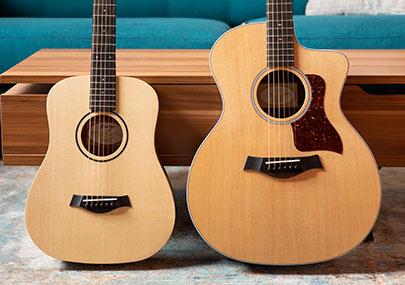
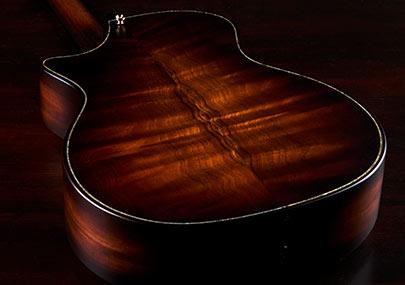
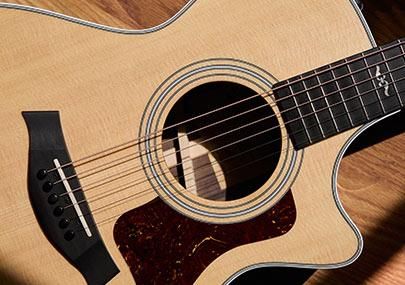
Top Woods
The type of wood used for a guitar’s soundboard has a major impact on its tonal properties.
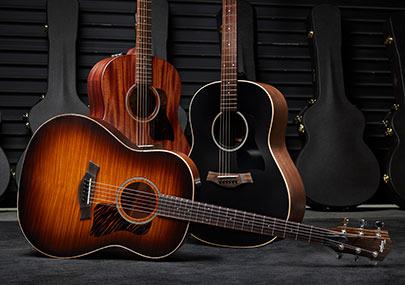
Series
Each acoustic series boasts a unique package of visual details that enhance the aesthetic appeal.
Electronics
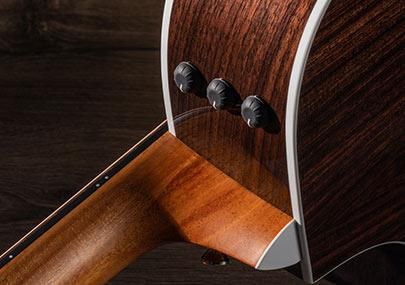
Our inspired proprietary pickups faithfully reproduce the natural nuances of a Taylor guitar’s voice.
Specialty
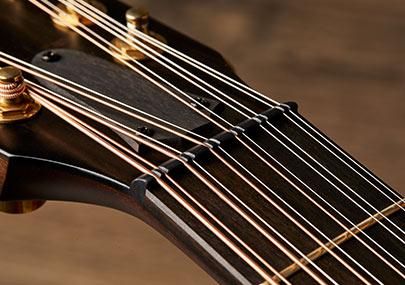
Guitars with a unique musical personality, including 12-string, 12-fret, nylon, baritone and travel.
Finishes
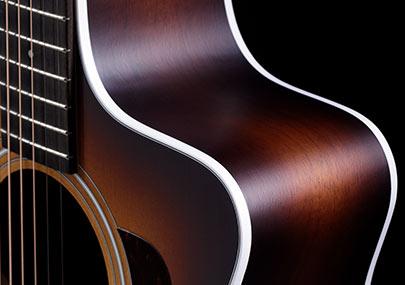
Taylor’s eco-friendly, UV-curable finishes protect your guitar and keep it looking and sounding great.
Bracing
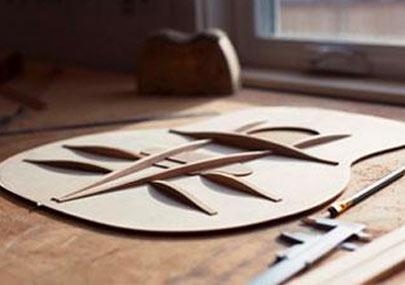
Bracing patterns, such as our new V-Class design, bring out each guitar’s unique voice.
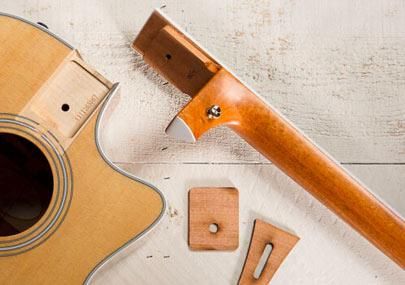
Necks
Our patented neck design ensures superb intonation, playability, and lasting stability.
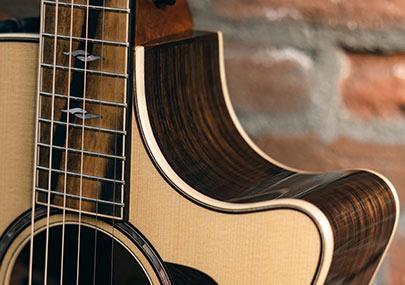
Cutaways
Our elegant cutaways add to a guitar’s shapeliness and broaden your playing range.
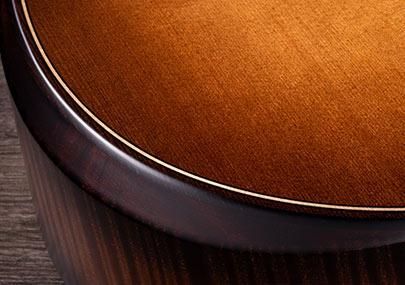
Armrests
An armrest softens the edge of a guitar body to create a more comfortable playing experience.