




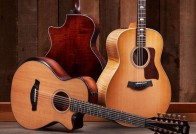
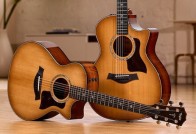
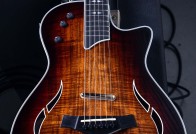
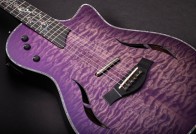




















Hawaiian Koa
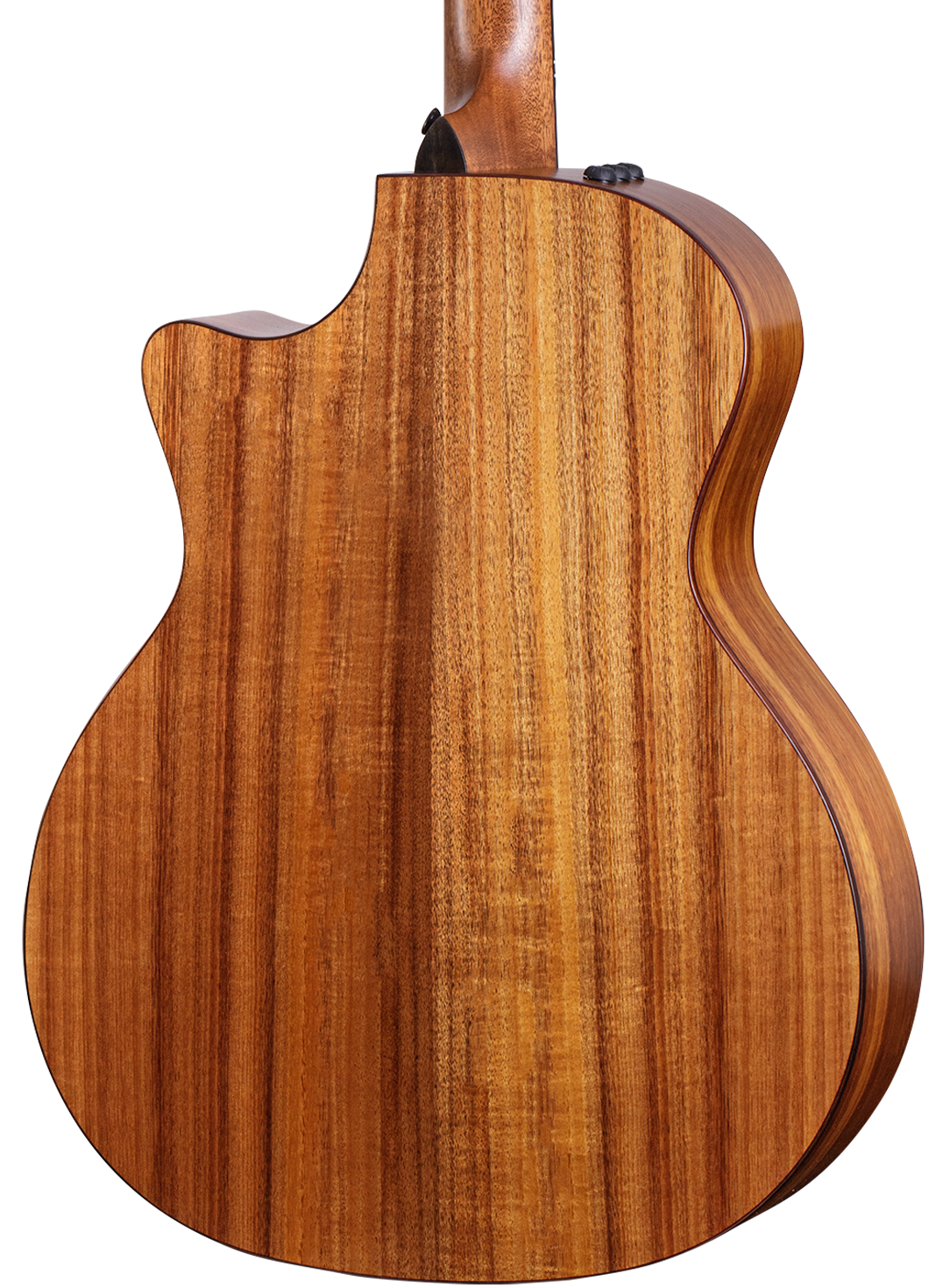
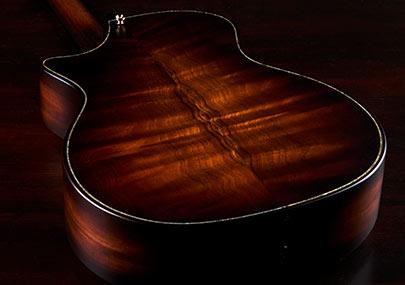
Overview: A dense tropical hardwood, koa blends midrange focus with extra top-end brightness and chime. The more a koa guitar is played and opens up — especially an all-koa guitar — the more its midrange overtones add warmth and sweetness to its voice.
Origin: Hawaii
Sound: Koa's tone profile blends the midrange of mahogany with the top end of maple. Due to its density, a new koa guitar tends to start out sounding a little bright and tight, somewhat like maple. But the more a koa guitar is played, the more the sound opens up, expanding the midrange and rewarding the player with a richer, sweeter, more resonant tone. A common mistake is when a bright player buys a koa guitar in part for its visual beauty, finds it to be too bright, and doesn't play it enough to allow the wood to warm up.
Goes Well With: Fingerstylists who play more with the pads of their fingers and tend to have a meatier touch. Bright players may want to experiment with different pick materials to produce a warmer tone.
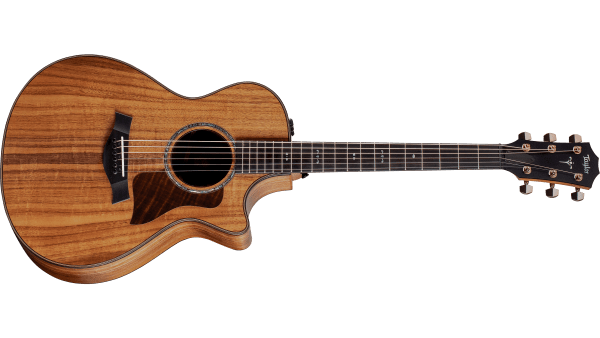
Koa Featured Models
$3,699
Currently out of stock.
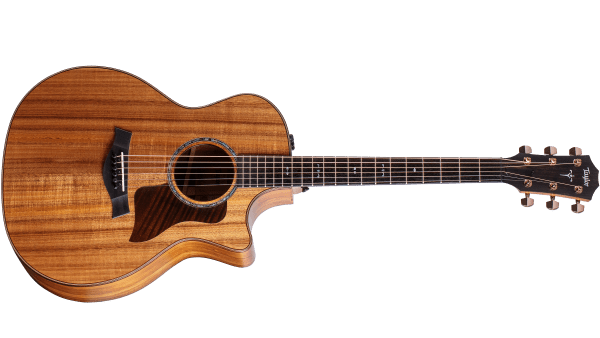
$3,699
Currently out of stock.
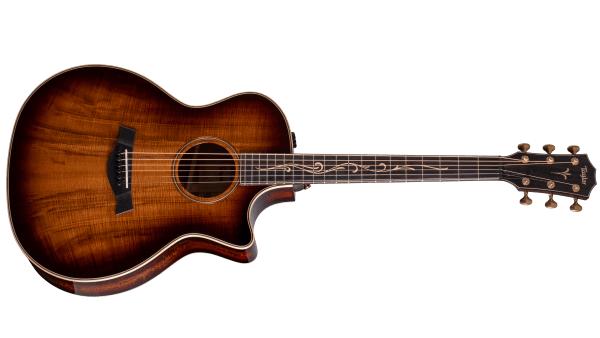
$6,299
Currently out of stock.
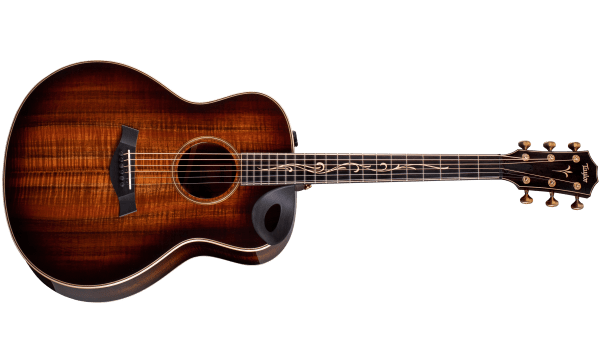
$6,299
Currently out of stock.
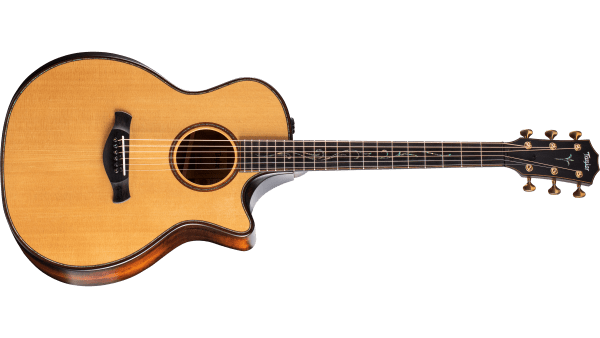
$6,299
Currently out of stock.
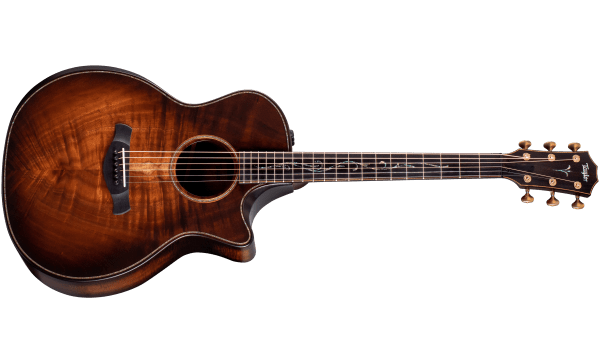
$6,499
Currently out of stock.
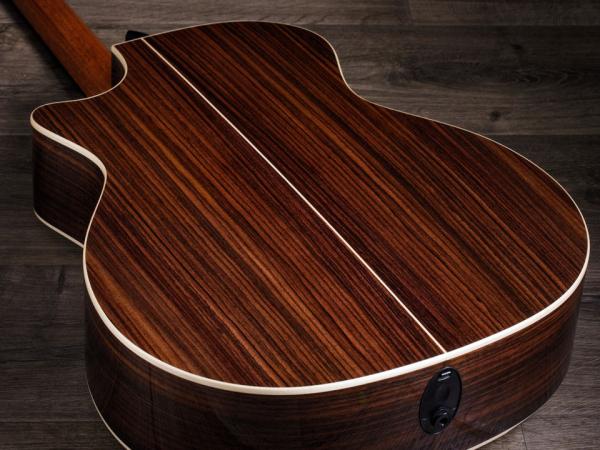
Back and Side Woods Overview
The hardwoods used for a guitar’s back and sides (the same species is used for both) contribute rigidity and stability to an acoustic guitar body. This helps generate more sustain from notes as they ring out. The back and sides woods also emphasize certain resonant frequencies in ways that add unique sonic colors and textures to the guitar’s overall sound.
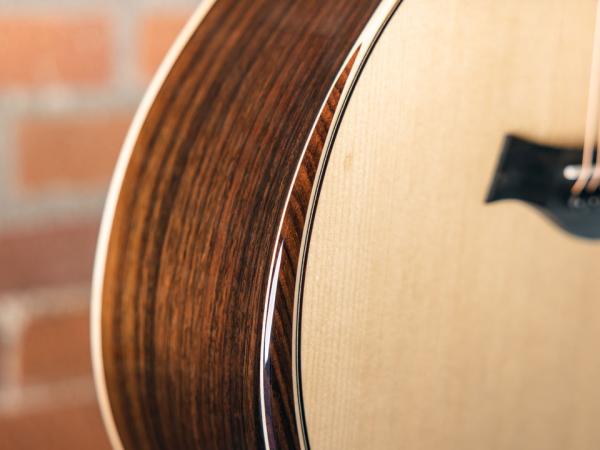
Body Woods and Acoustic Guitar Tone
Along with body shape and top woods, the woods used for the back and sides of an acoustic guitar play a key role in coloring the guitar’s voice. Hardwoods, such as rosewood, mahogany, koa and maple, are exclusively used. They provide the supportive shell of the guitar body, and their hardness and density add the rigidity that helps generate sustain from the notes.
Explore All Acoustic Features
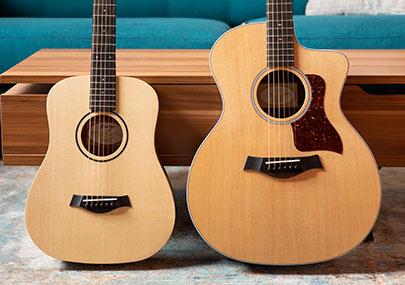
Top Woods
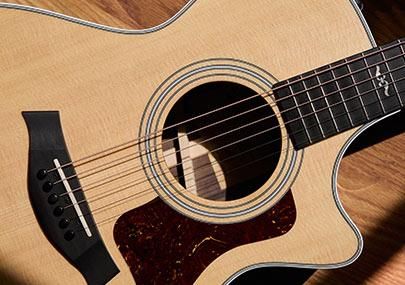
The type of wood used for a guitar’s soundboard has a major impact on its tonal properties.
Series
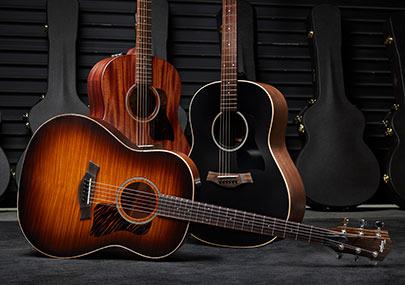
Each acoustic series boasts a unique package of visual details that enhance the aesthetic appeal.
Electronics
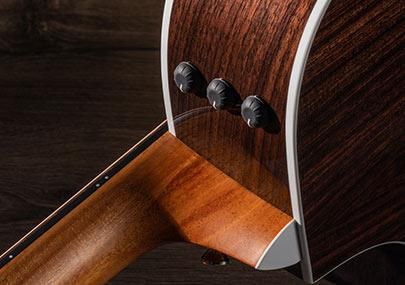
Our inspired proprietary pickups faithfully reproduce the natural nuances of a Taylor guitar’s voice.
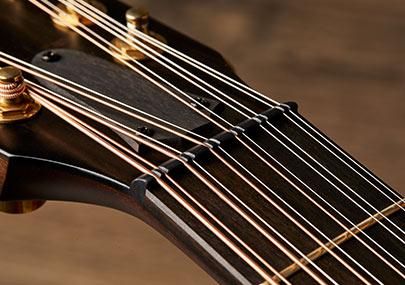
Specialty
Guitars with a unique musical personality, including 12-string, 12-fret, nylon, baritone and travel.
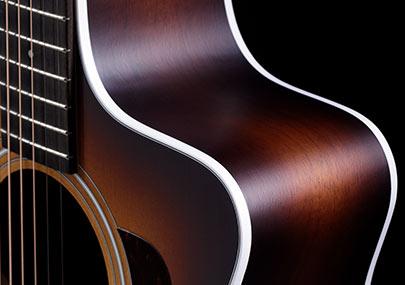
Finishes
Taylor’s eco-friendly, UV-curable finishes protect your guitar and keep it looking and sounding great.
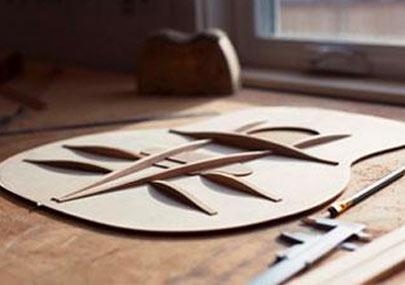
Bracing
Bracing patterns, such as our new V-Class design, bring out each guitar’s unique voice.
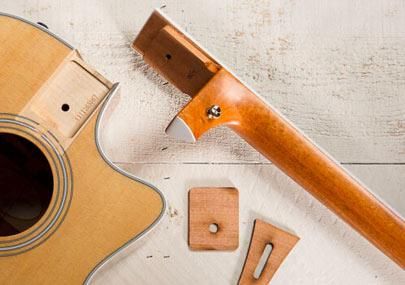
Necks
Our patented neck design ensures superb intonation, playability, and lasting stability.
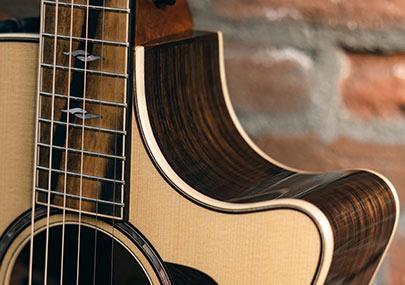
Cutaways
Our elegant cutaways add to a guitar’s shapeliness and broaden your playing range.
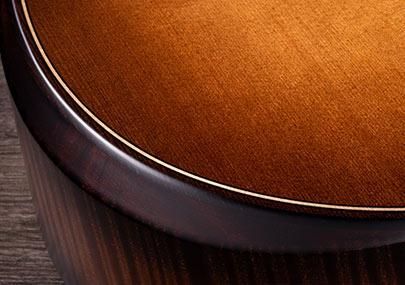
Armrests
An armrest softens the edge of a guitar body to create a more comfortable playing experience.