








Hawaiian Koa
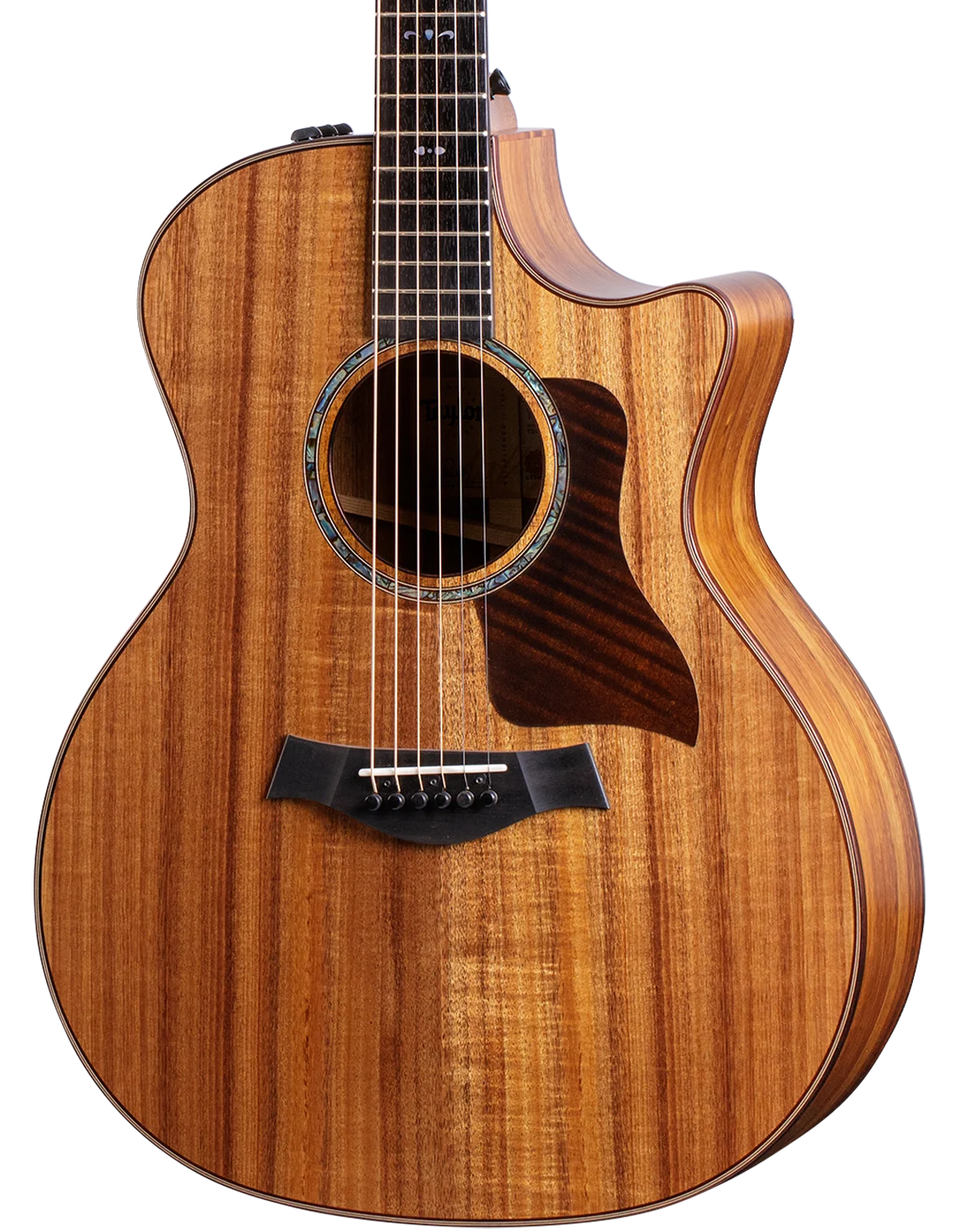
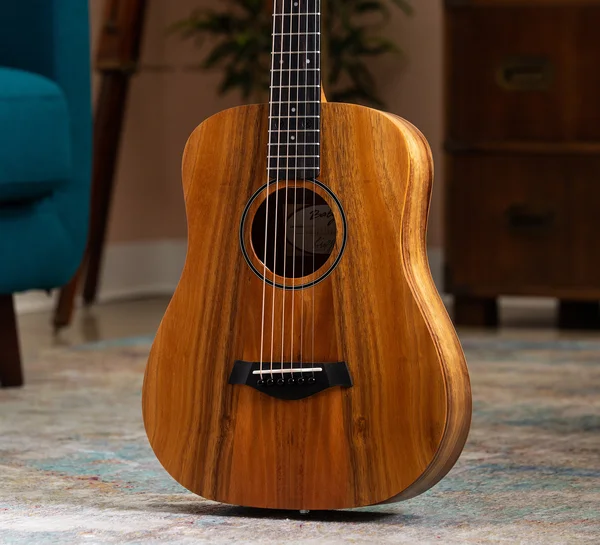
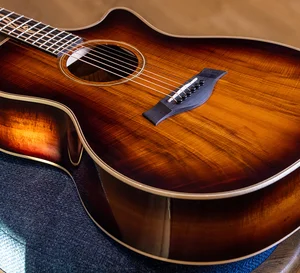
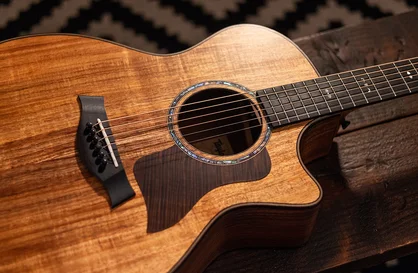
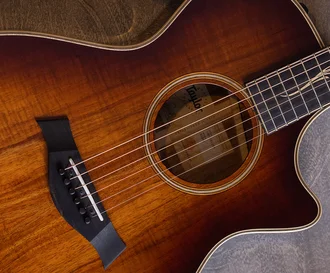
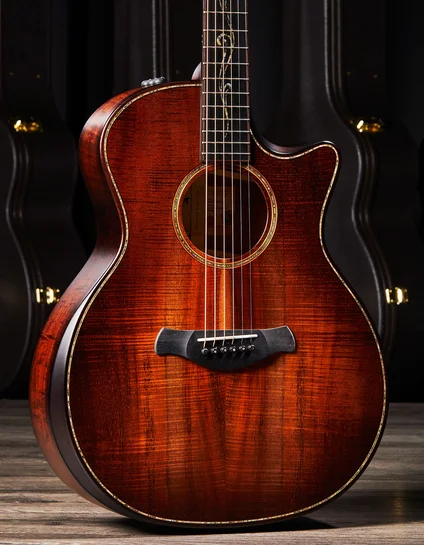
Overview: As a tropical hardwood, a koa top will initially project a bright and focused tone, especially together with koa back and sides, but as it's played, it matures into an increasingly warm, rich, sweet sound with healthy overtone "bloom," especially in the midrange. A common mistake is when a "bright" player buys a koa-top guitar in part for its visual beauty, finds it to be too bright, and doesn't play it enough to allow the wood to develop its resonant tone.
Origin: The Big Island of Hawaii
Goes Well With: Fingerstylists who play more with the pads of their fingers and tend to have a meatier touch. Bright players need to be careful because of koa's existing brightness.
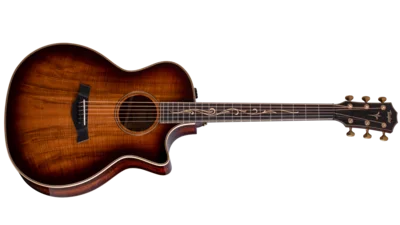
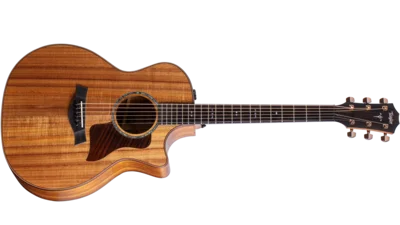
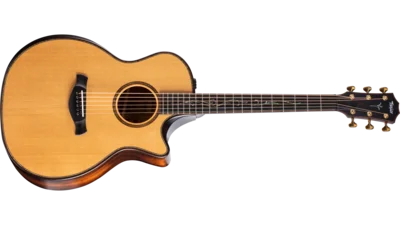



Hard Woods vs. Soft Woods
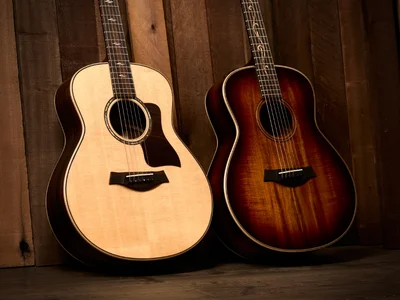
Guitar top woods fall into two general categories: hardwoods and softwoods. So what are softwoods and hardwoods, and what’s the difference between a softwood top and a hardwood top?
Top Woods
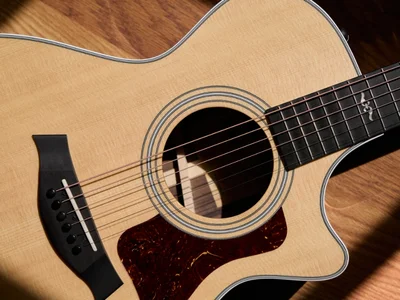
The unique acoustic properties of top woods help color a body shape’s fundamental sound. The key is to find the wood that matches up best with your playing style, like the warmth of a cedar top for fingerpicking and the feeling of responsiveness in your hands.
Explore All Acoustic Features


Top Woods
The type of wood used for a guitar’s soundboard has a major impact on its tonal properties.

Series
Each acoustic series boasts a unique package of visual details that enhance the aesthetic appeal.

Electronics
Our inspired proprietary pickups faithfully reproduce the natural nuances of a Taylor guitar’s voice.

Specialty
Guitars with a unique musical personality, including 12-string, 12-fret, nylon, baritone and travel.

Finishes
Taylor’s eco-friendly, UV-curable finishes protect your guitar and keep it looking and sounding great.

Bracing
Bracing patterns, such as our new V-Class design, bring out each guitar’s unique voice.

Necks
Our patented neck design ensures superb intonation, playability, and lasting stability.

Cutaways
Our elegant cutaways add to a guitar’s shapeliness and broaden your playing range.

Armrests
An armrest softens the edge of a guitar body to create a more comfortable playing experience.