Tonewoods
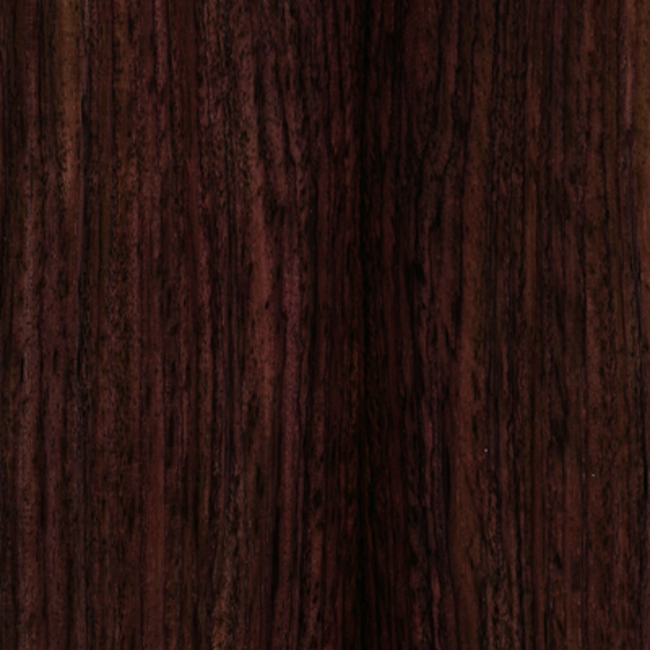
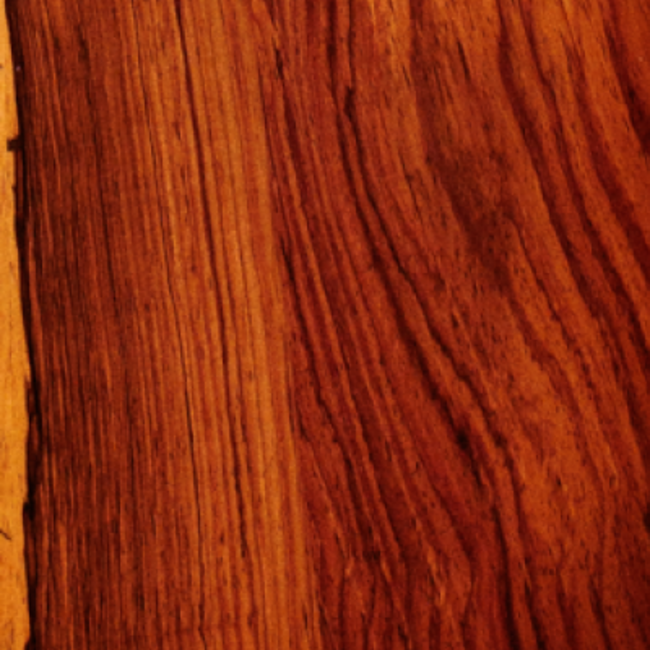
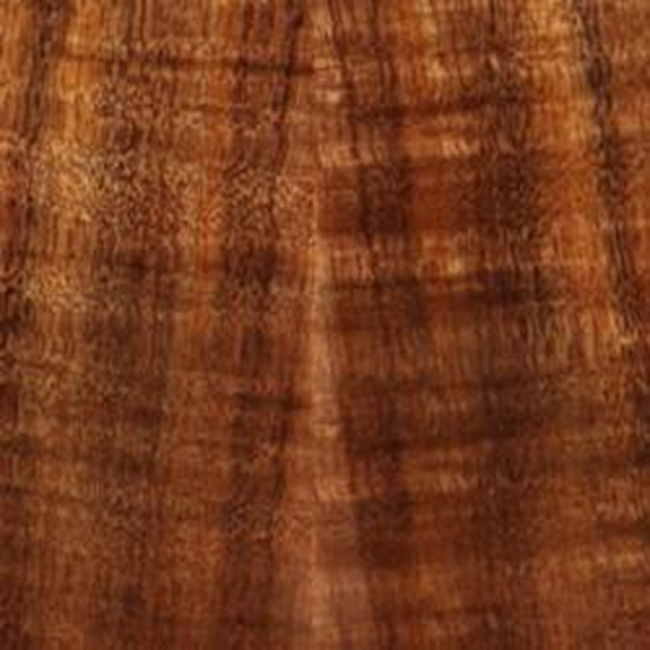
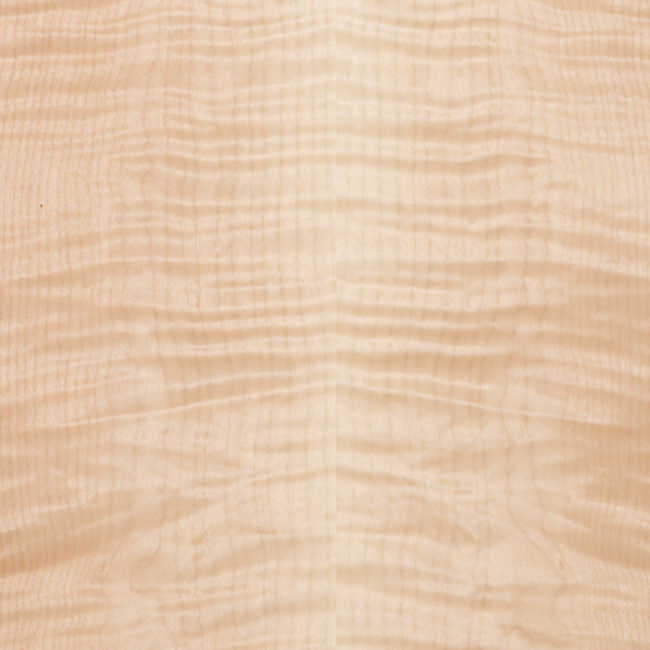
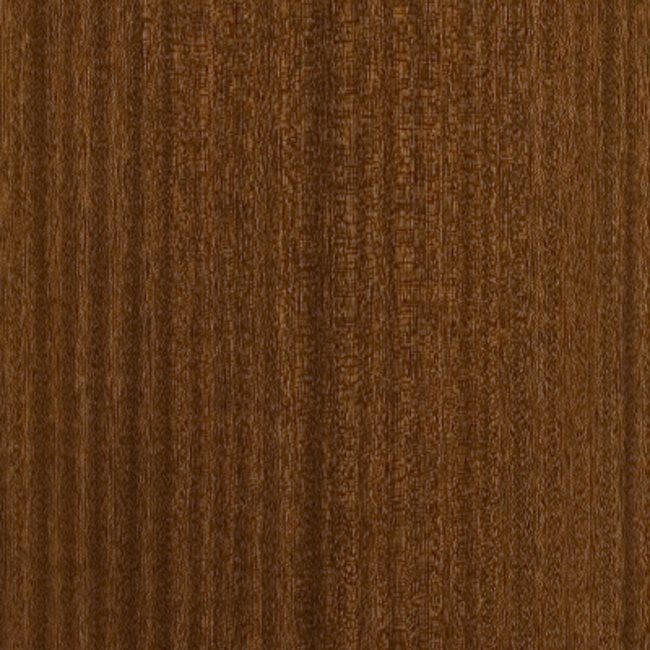
Every acoustic guitar we craft combines tonewoods that shape its sound and sonic personality. The top wood is the primary driver of its voice, defining its responsiveness, dynamic range and clarity. Back and side woods season its tone with distinctive flavors.
Back & Sides
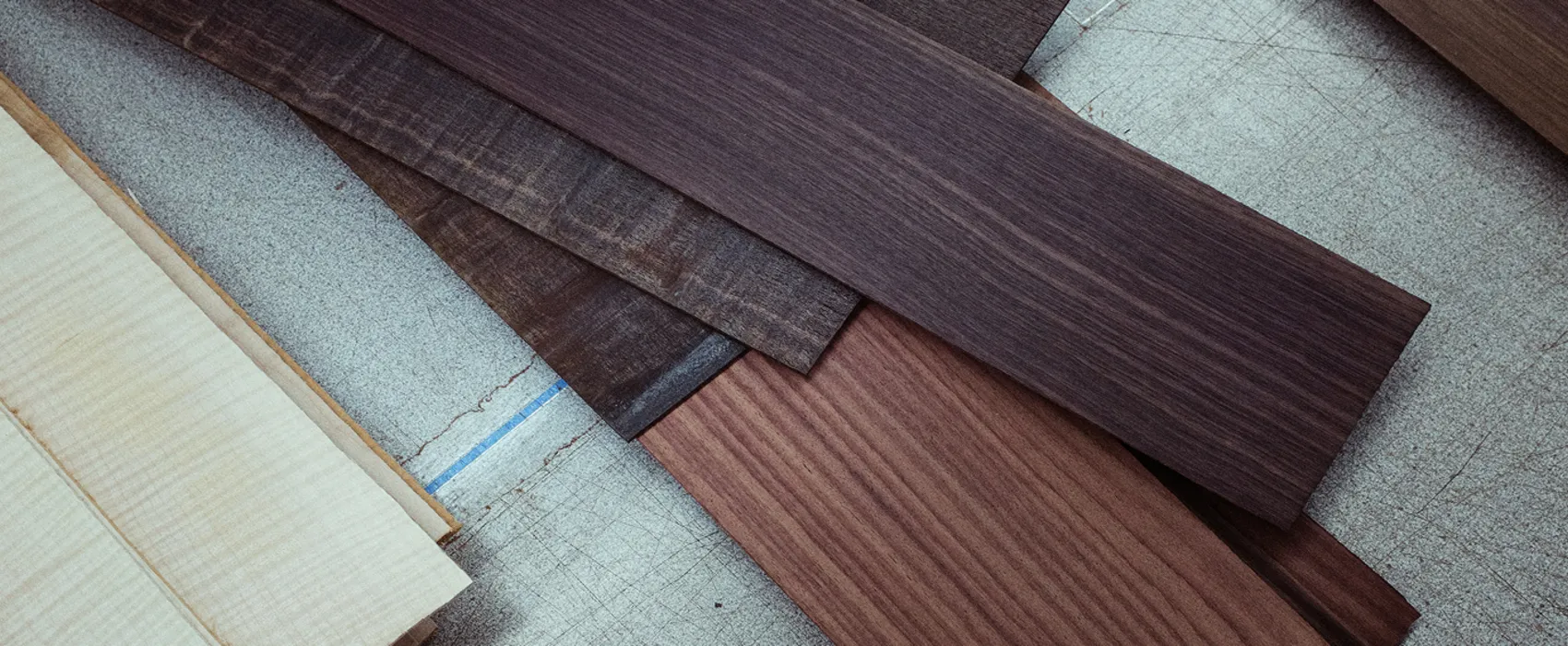
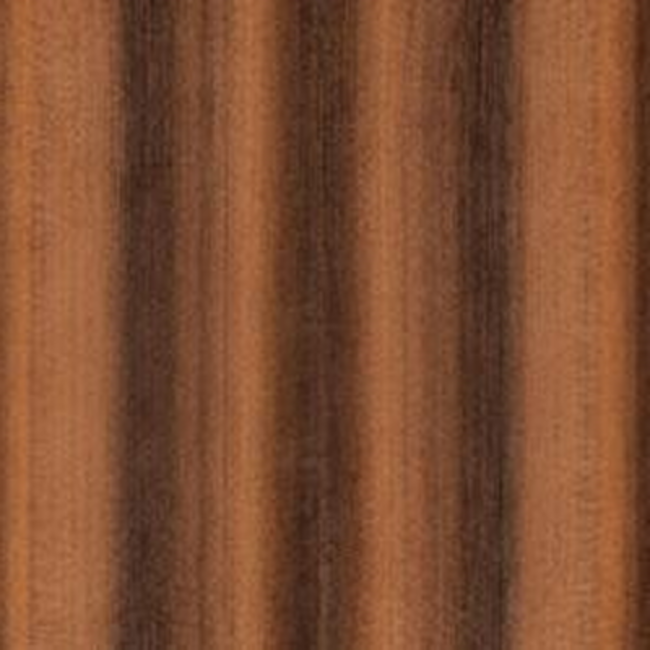
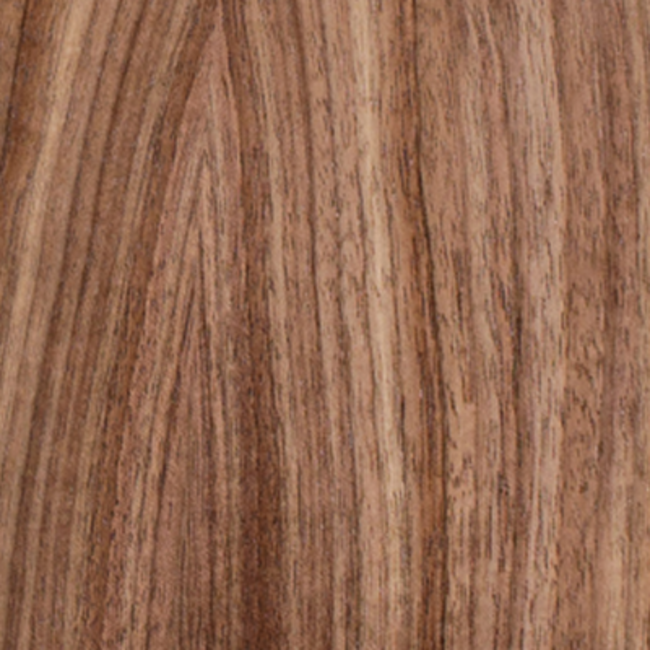
Each wood species adds unique sonic flavor by emphasizing certain frequencies across the tonal spectrum. This translates into different tonal properties like warmth, sparkle and richness.
Top (Soundboard)
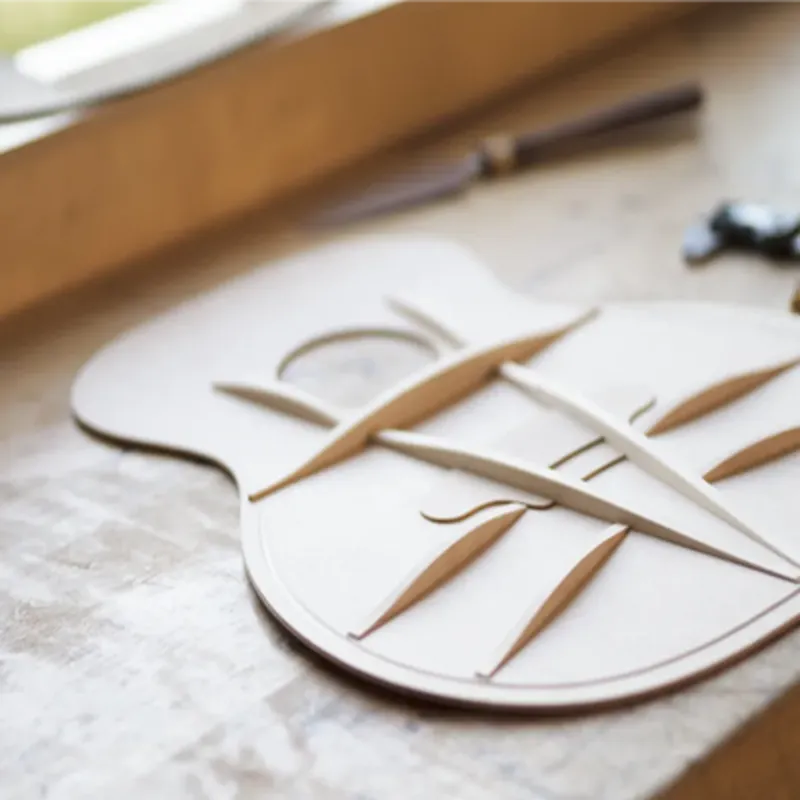
The top has the biggest impact on your tone (other than you). It defines your guitar’s core voice and how it responds to your touch — whether that’s warm and mellow or bright and dynamic.


What is Solid Wood?
A guitar made with a top, back and sides of solid wood will express the tonal personality of its woods in the fullest, most complex way, resulting in a superior musical sound. The particular species of wood, and the properties associated with it, impart the richest sonic color or flavor when used in solid form. Over time, all‑solid‑wood guitars also improve with age and extended playing as the cell structure naturally changes, making the instrument even more resonant and responsive. We carefully bookmatch our solid‑wood tops and backs by joining two adjacent slices from the same quartersawn board so the grain pattern mirrors beautifully. It’s our way of giving every guitar a balanced, harmonious look that reflects the natural artistry of the wood.
Learn more about Solid Wood.
What is Layered Wood?
Taylor’s layered backs and sides incorporate three layers of wood, featuring a middle core of poplar with a veneer on each side. While layered wood—an all-wood construction—won’t produce quite as complex a sound as solid wood, it allows us to blend exotic looks with climate-resilient construction.
What's the difference between Layered Wood and Laminate?
Learn more about Layered Wood vs Laminate.
What is Torrefied Wood?
Torrefaction is thermal modification that gives new guitars the warmth, responsiveness and rich tonal character of a well-played instrument. Taylor's proprietary roasting process brings out a richer, more complex tone from a tonewood while also improving structural and environmental performance while maintaining the clarity, volume and balance players expect from our instruments.
Does the Top Wood matter more than the Back and Sides?
The wood used for a guitar’s soundboard plays a key role in defining the overall tone of the instrument. Soft woods like spruce and cedar are valued for their combination of being lightweight yet strong, possessing an elastic quality that allows them to be set in motion easily. We also use hardwoods such as mahogany and koa as guitar tops. These denser materials require more energy to set in motion, and the vibration tends to move more gradually through them. The result is a kind of natural compression effect that rounds out the guitar’s initial attack, producing a focused voice with fewer overtones. Back and side woods help flavor a guitar’s fundamental sound, often boasting an inherent visual appeal that can be deeply inspiring.
What exactly do Back and Side woods contribute?
Hardwoods are used exclusively for the backs and sides of guitars. Acting as the supportive framework for the instrument, the back and sides contribute rigidity and stability that help coax greater sustain from the guitar, along with physical traits that emphasize different resonant frequencies. Think of them as natural tone controls for an acoustic guitar, adding bass, midrange and treble along with varying degrees of overtones.